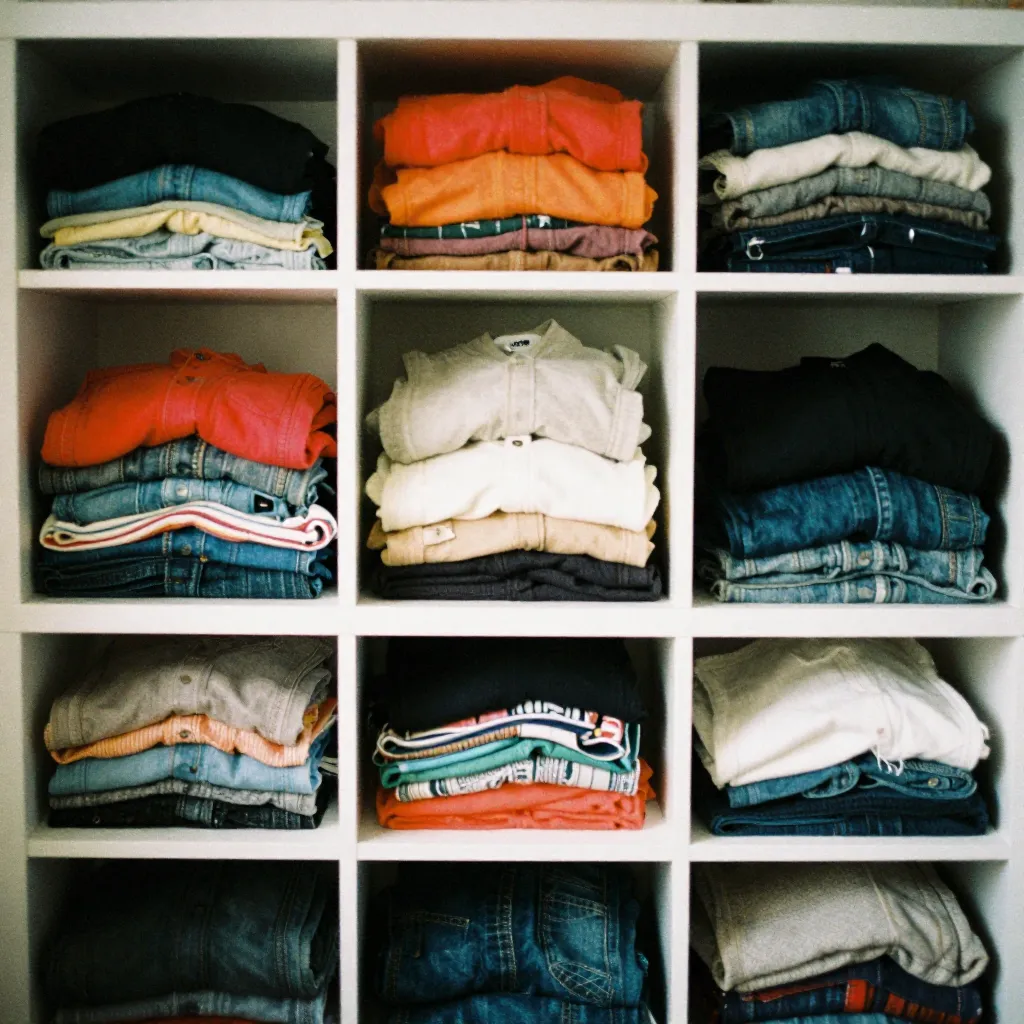
Wardrobe organization system

The Visual Flow System

Organize your wardrobe for maximum efficiency and aesthetic harmony

Principles of Organization

Visual Harmony

Effective wardrobe organization creates visual flow that makes outfit selection intuitive. When items are arranged according to color, function, and seasonal compatibility, the decision-making process becomes streamlined.

The goal is to create a system where every item has a logical place and where color relationships are immediately apparent. This reduces cognitive load and makes getting dressed a more enjoyable experience.

Functional Efficiency

Beyond aesthetics, organization serves practical purposes. Items that are frequently worn together should be positioned near each other. Seasonal items should be easily accessible during their relevant time periods.

The system should adapt to your lifestyle, with work-appropriate items separated from casual wear, and special occasion pieces clearly distinguished from everyday essentials.
Gradient Hanging Method

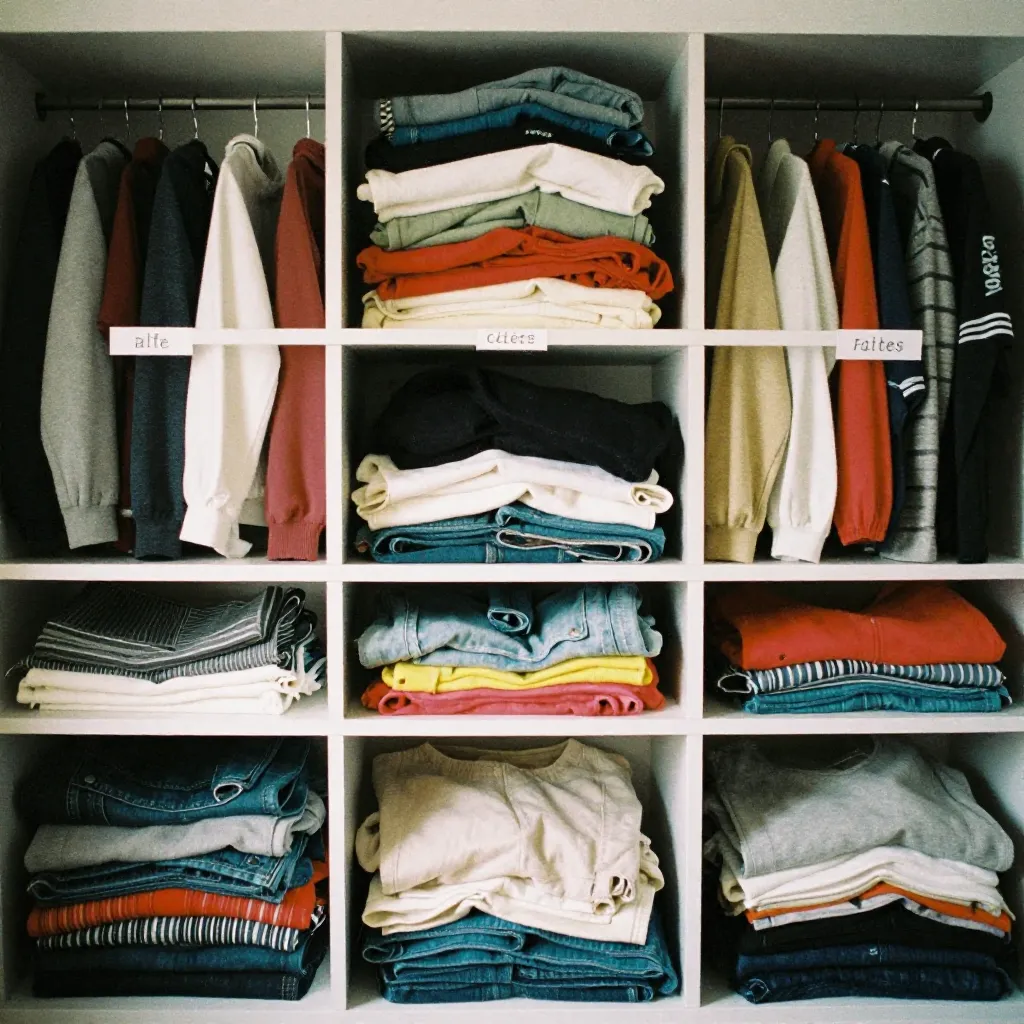
Gradient color organization

Light to Dark Progression

Arrange clothing from lightest to darkest within each category. This creates a natural visual progression that makes color selection intuitive. Start with whites and light pastels, progress through medium tones, and end with deep, saturated colors.

White → Light Grey → Medium Grey → Charcoal

Category Application

Apply the gradient method within each clothing category: shirts, pants, dresses, jackets. This maintains organization while allowing for quick access to specific item types.

Within each gradient, further organize by seasonal compatibility. Items that match your seasonal palette should be positioned prominently, while off-palette pieces can be placed at the edges or in secondary storage areas.

Category Clustering

Functional Grouping

Group similar items together by function and color family. Tops are clustered together, bottoms form their own section, and outerwear is grouped separately. Within each cluster, items are organized by color relationships.

This approach reduces decision fatigue by creating clear boundaries between different types of garments. When you need a shirt, you know exactly where to look, and the color organization within that section makes coordination straightforward.

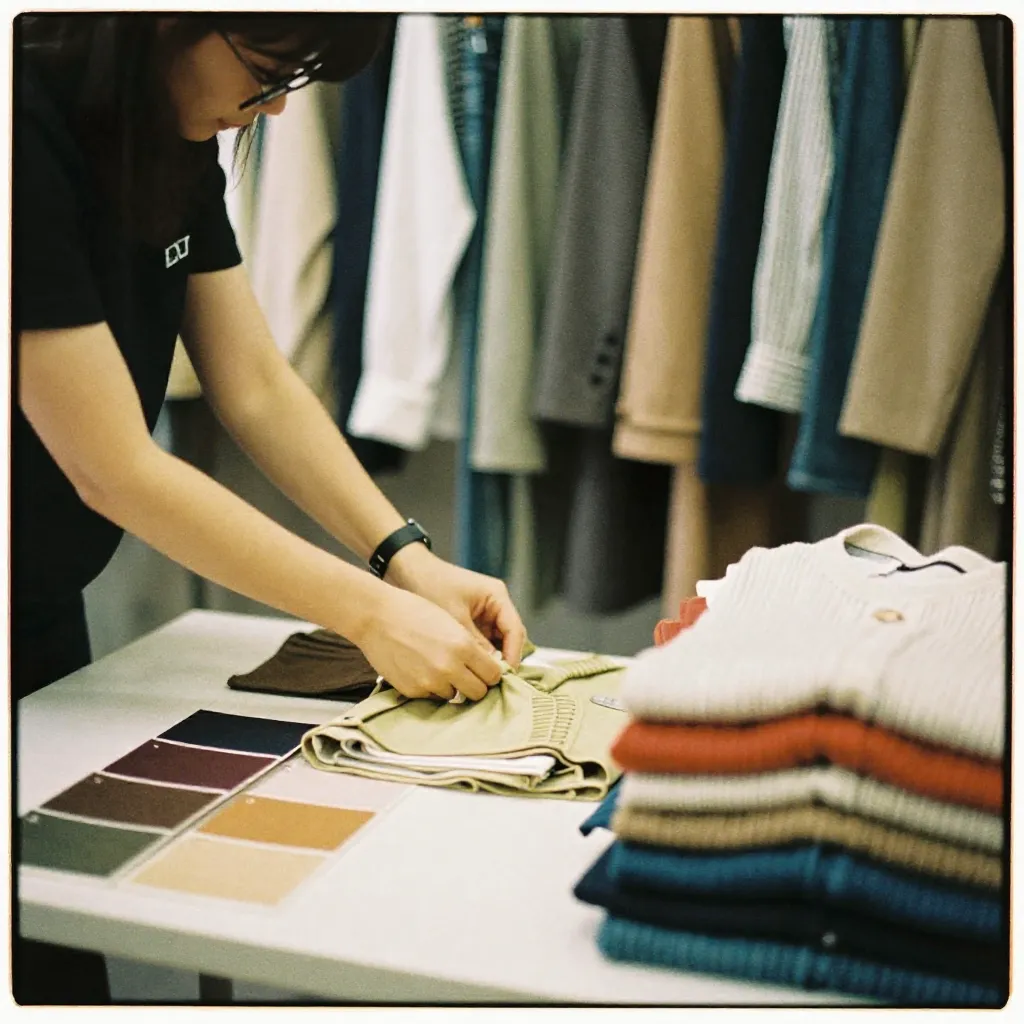
Category-based organization

Color Family Clusters

Within each functional category, create sub-clusters based on color families. All blues together, all neutrals together, all warm tones together. This creates visual coherence and makes it easier to see what you have in each color category.

Light Blue → Medium Blue → Deep Blue

Seasonal Rotation System

Active Season Items

Items appropriate for the current season are positioned for easy access. During warmer months, lightweight fabrics and bright colors are front and center. During cooler months, heavier fabrics and deeper tones take priority.

Transitional Pieces

Items that work across multiple seasons are kept in a dedicated transitional section. These versatile pieces form the foundation of a well-organized wardrobe and should be easily accessible year-round.

Off-Season Storage

Items not currently in use are stored in secondary locations but remain cataloged in the digital system. This keeps your active wardrobe uncluttered while maintaining access to your complete collection.

Maintenance and Updates

Regular Review

Schedule periodic reviews of your wardrobe organization. As you add new pieces or remove items that no longer serve you, update the system to maintain its effectiveness. Seasonal transitions are ideal times for comprehensive reorganization.

Digital Synchronization

Keep your digital inventory synchronized with your physical organization. When items are moved or reorganized, update the digital catalog to reflect these changes. This ensures your mobile system remains accurate and useful.

We use cookies to enhance your browsing experience and analyze site traffic. By continuing to use this site, you consent to our use of cookies.