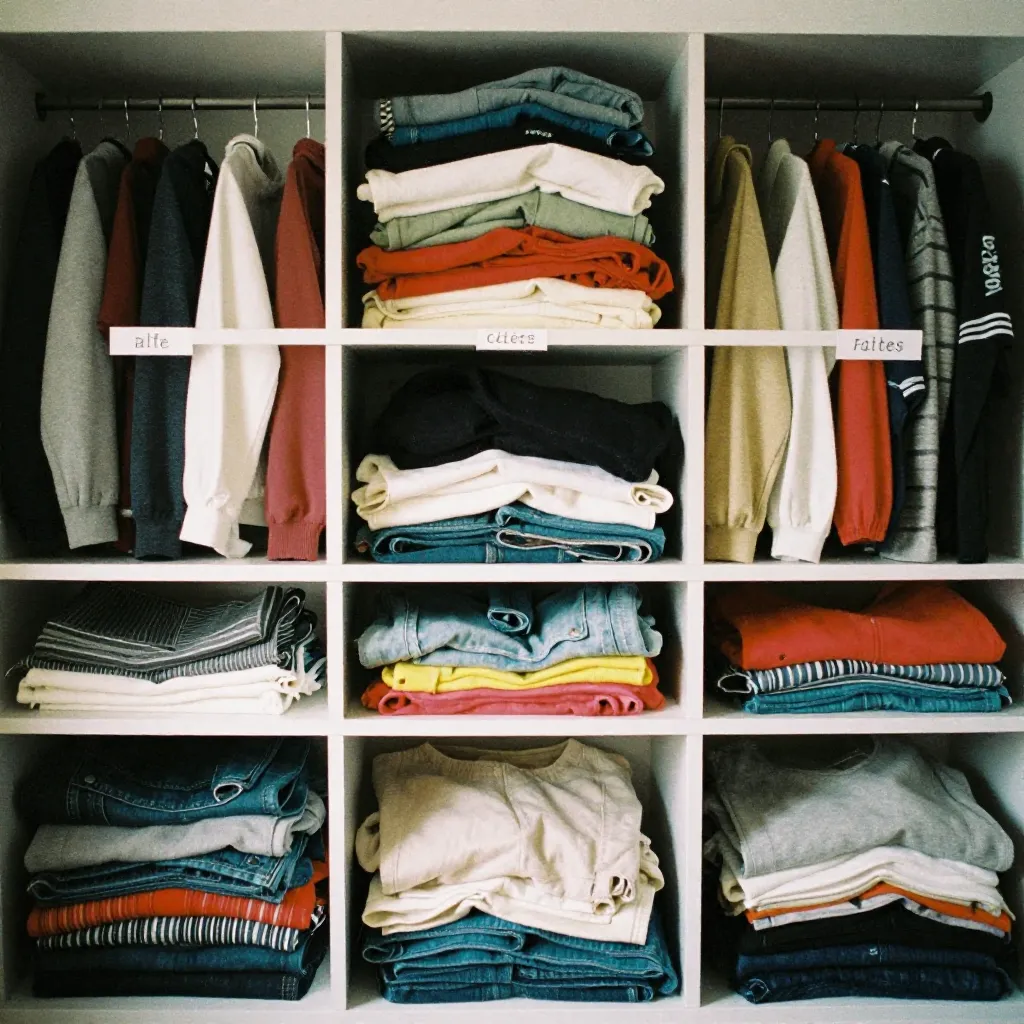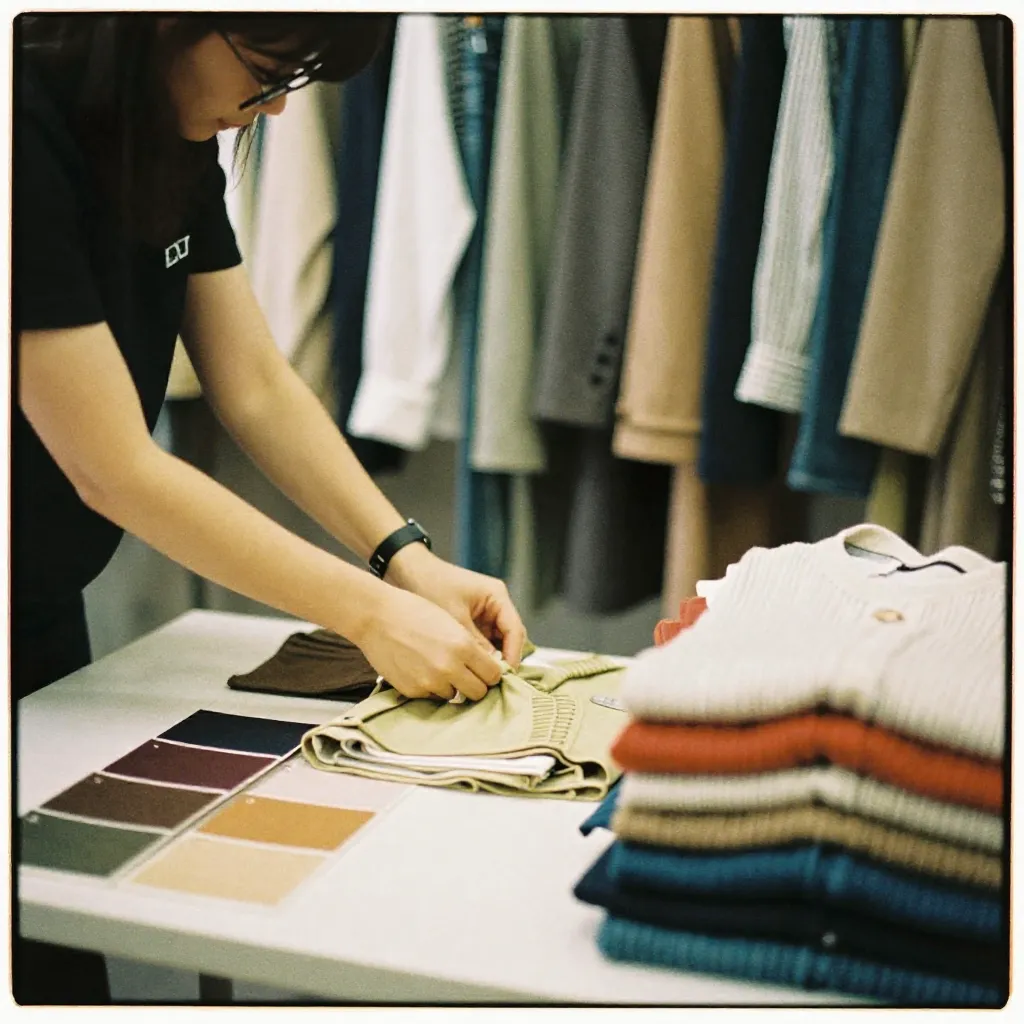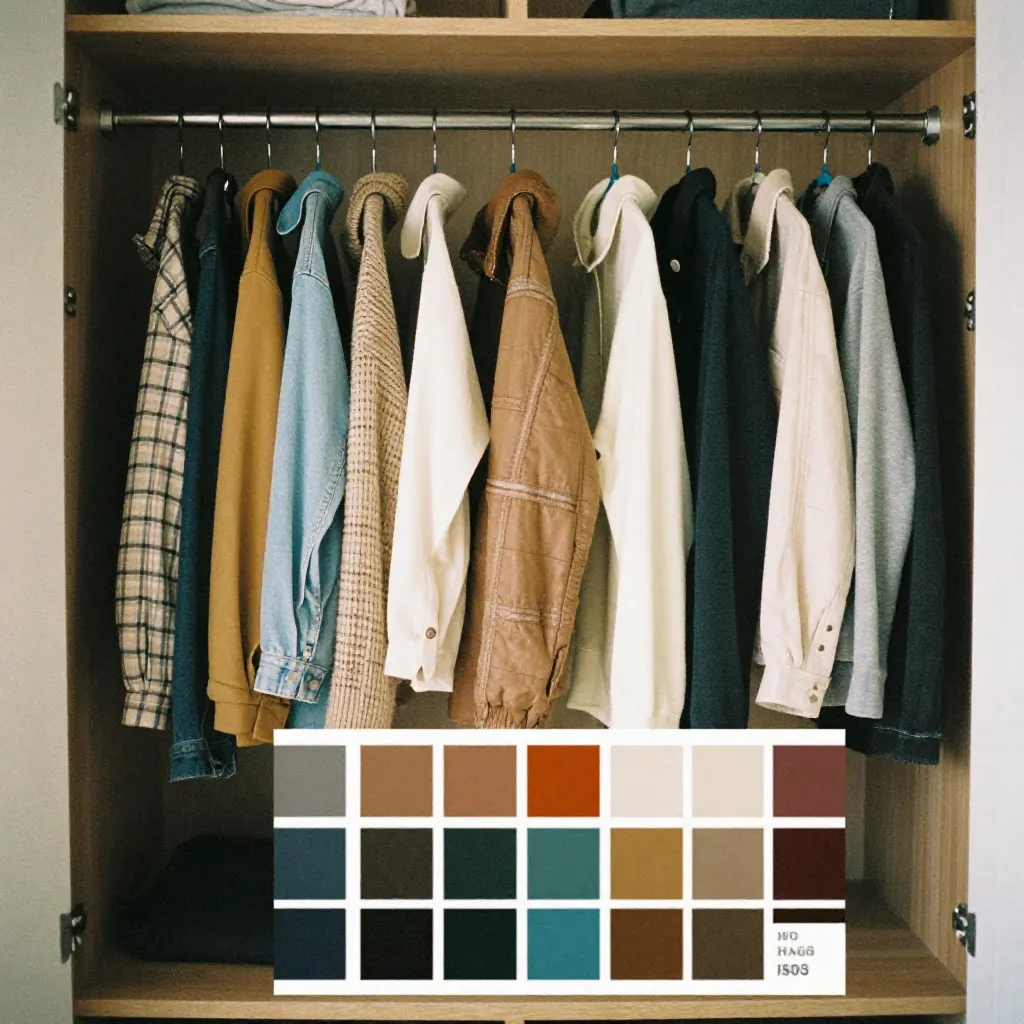
Seasonal color palette analysis

The Four Seasons System

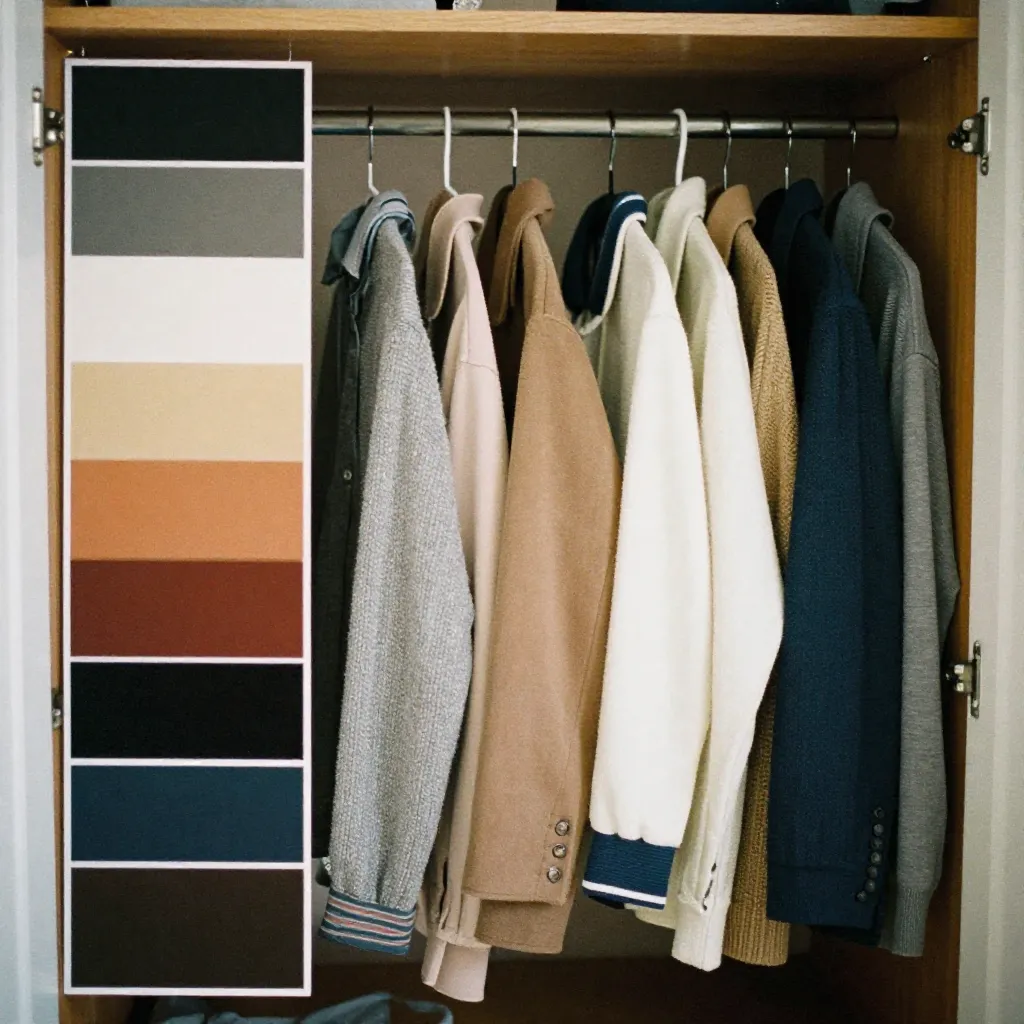
Understanding how skin undertones meet fabric choices

Foundation of Color Analysis

Understanding Undertones

Skin undertones are the subtle colors that lie beneath the surface of your skin. These undertones determine which colors will harmonize with your natural appearance. The analysis process involves examining how different hues interact with your skin, hair, and eye coloring.

There are three primary undertone categories: warm, cool, and neutral. Warm undertones have golden or peachy qualities, cool undertones have pink or blue qualities, and neutral undertones display a balance of both.

The Seasonal Framework

The Four Seasons system organizes color palettes into Spring, Summer, Autumn, and Winter categories. Each season represents a specific combination of undertone and color intensity that creates visual harmony.

This framework provides a structured approach to understanding which colors will enhance your natural features and which should be avoided to maintain visual balance.
Spring Palette

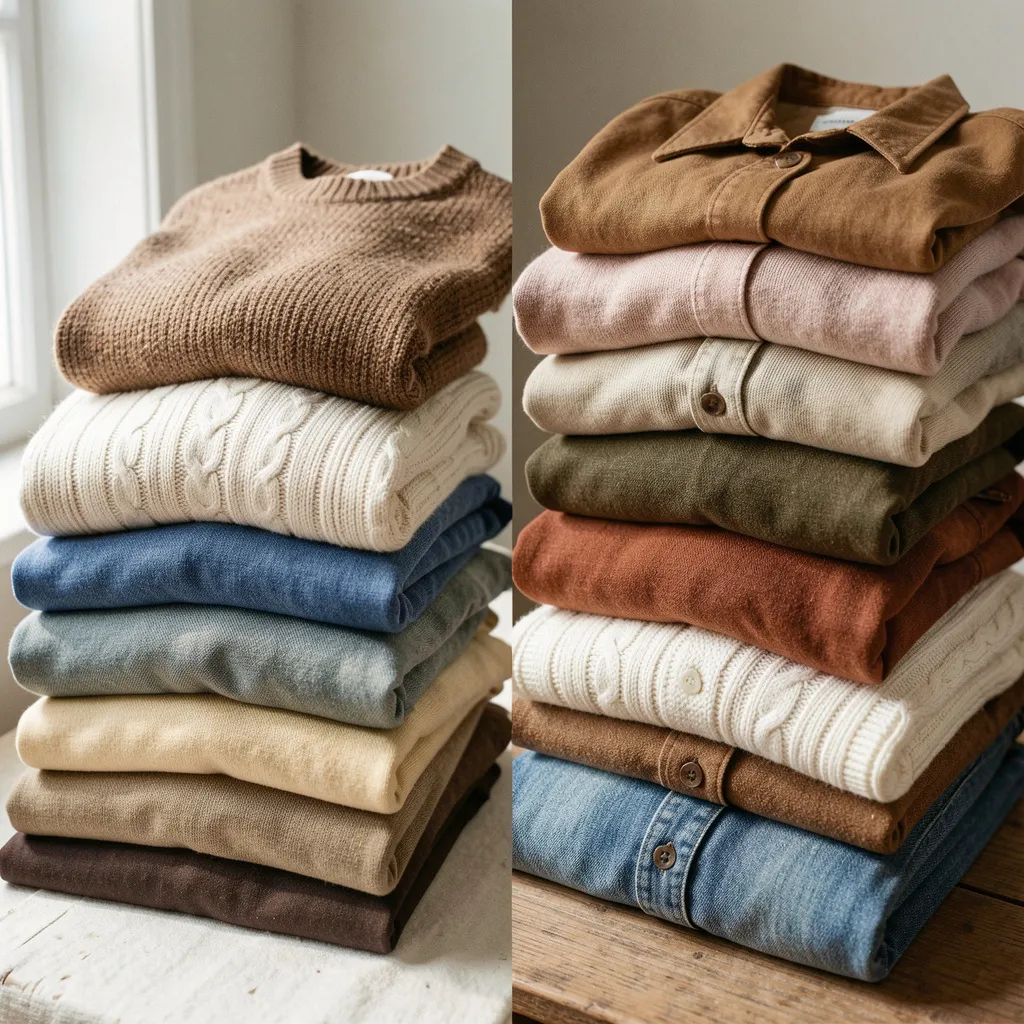
Spring color palette examples

Characteristics

Spring palettes feature light, clear colors with warm undertones. These hues are bright and fresh, reminiscent of early spring flowers and new growth. Colors in this palette have a clarity and lightness that complements warm, golden undertones.

Light Cream, Golden Yellow, Warm Peach

Ideal Colors

Spring individuals look best in coral, peach, warm pink, light yellow, and clear turquoise. These colors should be light to medium in value with clear, bright qualities rather than muted or dusty tones.

Avoid colors that are too dark, too cool, or too muted. Deep navy, charcoal, and cool grey tones can create an unflattering contrast with spring coloring.

Summer Palette

Characteristics

Summer palettes consist of cool, muted colors with soft contrast. These hues have a gentle, refined quality that complements cool, pink undertones. The colors are typically light to medium in value with a soft, dusty quality.

Think of hazy summer skies, soft pastels, and muted florals. These colors create a harmonious, elegant appearance when paired with cool undertones.

Summer color palette examples

Ideal Colors

Summer individuals are enhanced by soft rose, lavender, powder blue, dusty pink, and muted mint. These colors should have a cool, muted quality without being too bright or too dark.

Powder Blue, Soft Sky, Lavender

Autumn Palette

Autumn color palette examples

Characteristics

Autumn palettes feature rich, warm earth tones with golden undertones. These colors are deep, saturated, and evoke natural autumn landscapes. They have a warm, golden quality that complements warm, golden undertones.

Rich Brown, Warm Amber, Golden Orange

Ideal Colors

Autumn individuals are enhanced by rust, olive green, warm brown, terracotta, and golden yellow. These colors should be rich and saturated rather than bright or pastel.

Avoid colors that are too cool, too bright, or too light. Pastels, cool blues, and bright pinks can create disharmony with autumn coloring.

Winter Palette

Characteristics

Winter palettes consist of clear, intense colors with cool undertones. These hues have high contrast and create striking visual impact. Colors in this palette are typically clear and saturated rather than muted or soft.

Think of crisp winter skies, deep jewel tones, and high-contrast combinations. These colors create a bold, dramatic appearance when paired with cool undertones.

Winter color palette examples

Ideal Colors

Winter individuals look best in true red, royal blue, emerald green, pure white, and black. These colors should be clear and intense with high contrast potential.

Royal Blue, Deep Purple, True Red

We use cookies to enhance your browsing experience and analyze site traffic. By continuing to use this site, you consent to our use of cookies.